
RHINO: Two Real Deployments. One Clear Outcome.

Across multiple Air Force units, RHINO has already proven what happens when manual bottlenecks disappear and leaders gain instant visibility into the fleets they rely on every day. By transforming paper-based inspections into real-time digital intelligence, RHINO is giving Airmen and operational-level leaders the speed, accuracy, and situational awareness they need to keep missions moving without interruption.
Digitizing Vehicle Inspections
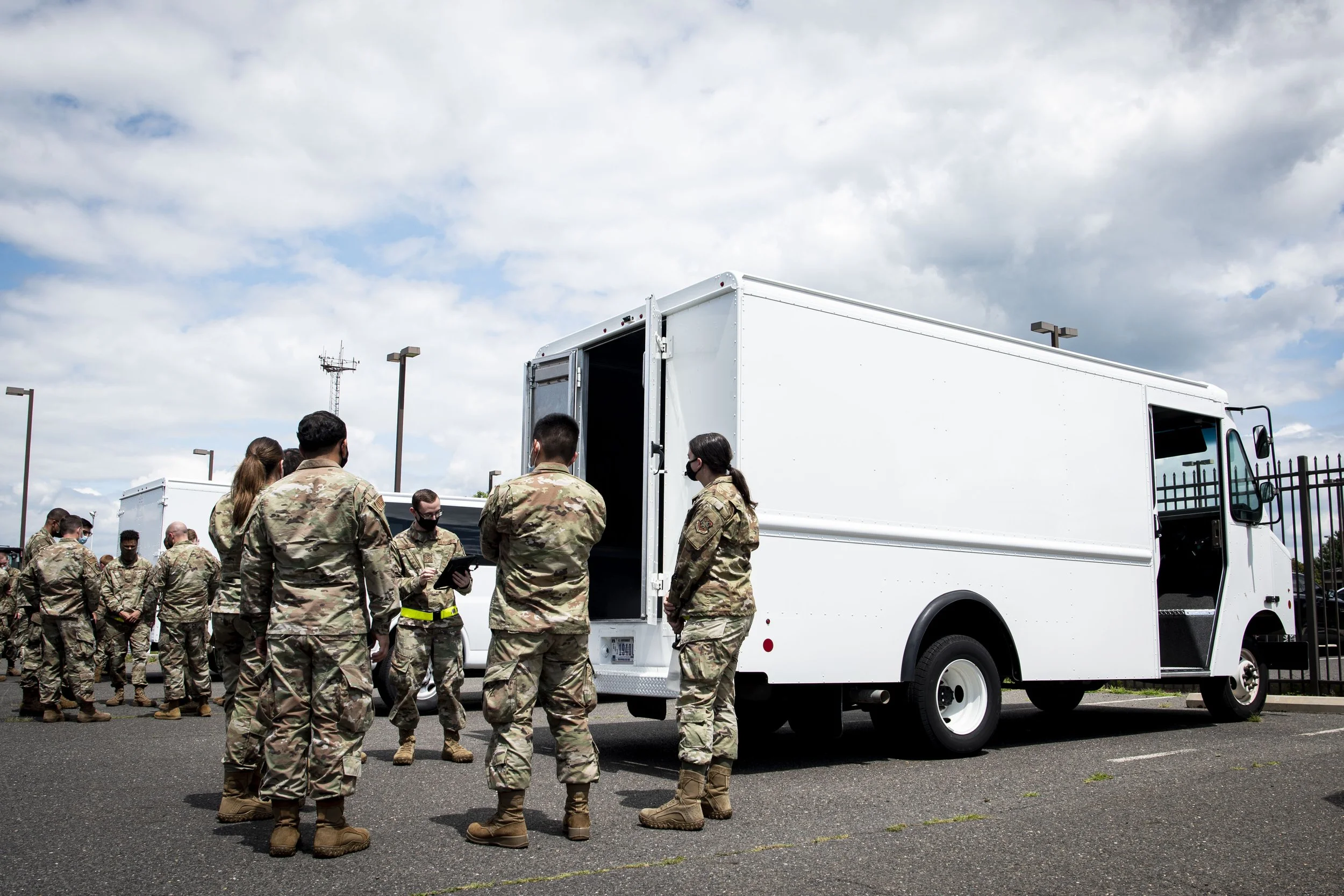
For squadrons that have long relied on paper processes, RHINO brings a modern, mobile workflow. At units like the 305th Aerial Port Squadron, Airmen replaced manual forms with instant digital checks, capturing fleet status with accuracy, consistency, and zero administrative drag. With every inspection feeding directly into RHINO’s centralized platform, leaders gain a live, trustworthy picture of fleet health.
Scaling to High-Demand Environments
When RHINO was implemented at the 436th Aerial Port Squadron, one of the largest in the USAF, the impact was clear. RHINO eliminates 44,000 hours of manual work annually, streamlining communication and enabling a 10% increase in fleet readiness. The result: faster decision-making, clearer operational planning, and a scalable solution built for enterprise-level logistics.
Real-Time Insights That Drive Decisions
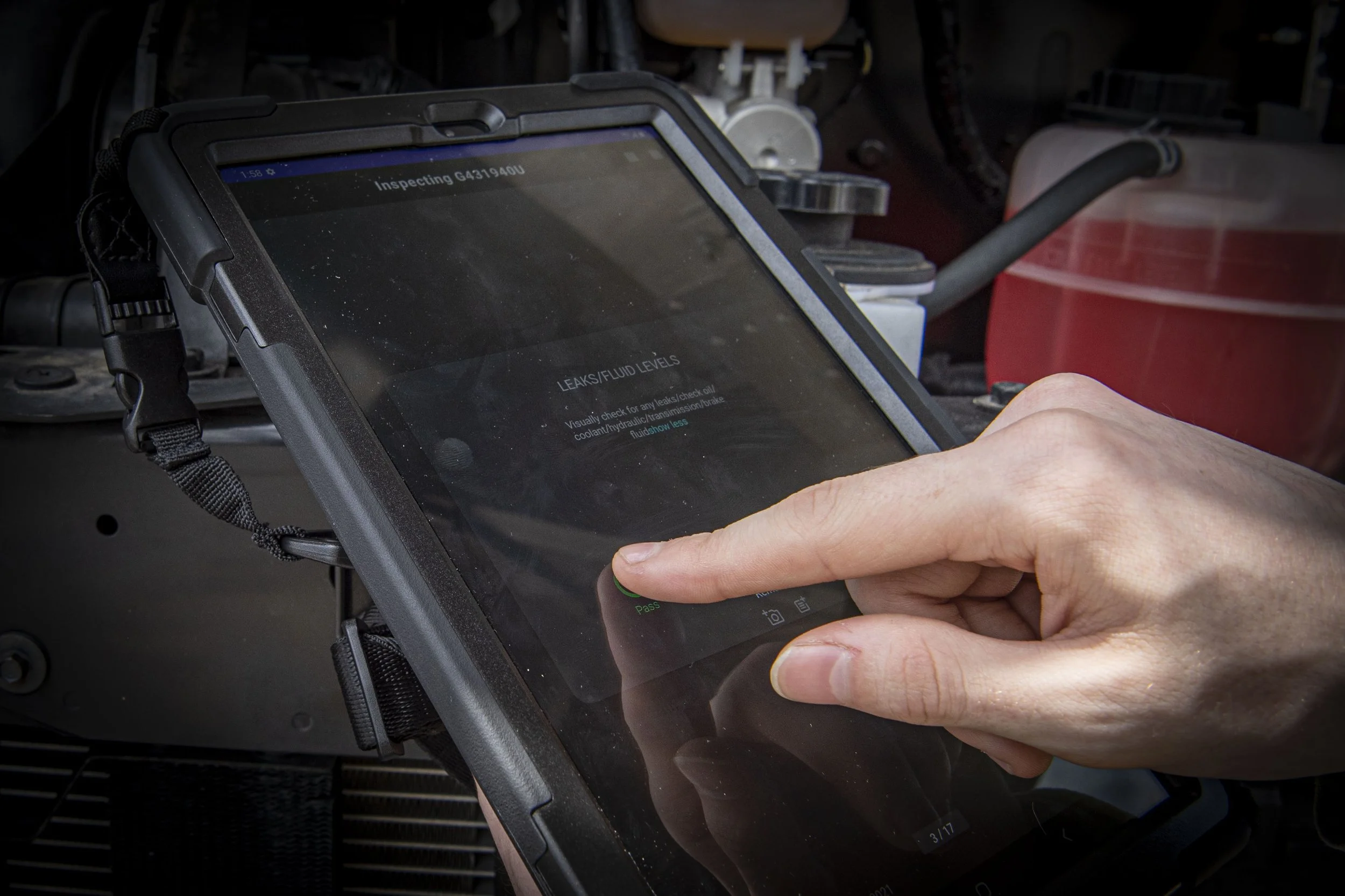
“RHINO provides near-instant vehicle readiness reporting to operational-level leaders,” explained Sean M. Cyphert, the RHINO program manager, “As tactical-level members inspect the vehicles with the application, the inspection results are fed into the central website, where leaders can view the status of their vehicle fleets and use the collected data to make more informed decisions.”
RHINO syncs results almost instantly, giving operational-level leaders immediate visibility into every vehicle’s status. This real-time readiness reporting empowers mission planners to make informed decisions that directly affect tempo, safety, and mission success.
What’s Next for RHINO
RHINO’s next evolution is already underway. The team is fine-tuning a new operational-level reporting capability that will allow planners to view fleet readiness across both unit and geographic levels: a capability that doesn’t currently exist within the USAF. This advancement has the potential to dramatically accelerate how operations are planned and resourced forever.